Table of Contents (15 sections)
Choosing the right sports gear is essential for maximizing performance and ensuring comfort during athletic activities. With an overwhelming variety of gear on the market, athletes of all levels often face challenges in making informed decisions. This guide offers ten comprehensive tips for choosing sports gear that meets your specific needs and enhances your athletic experience.
1. Understand Your Sports Requirements
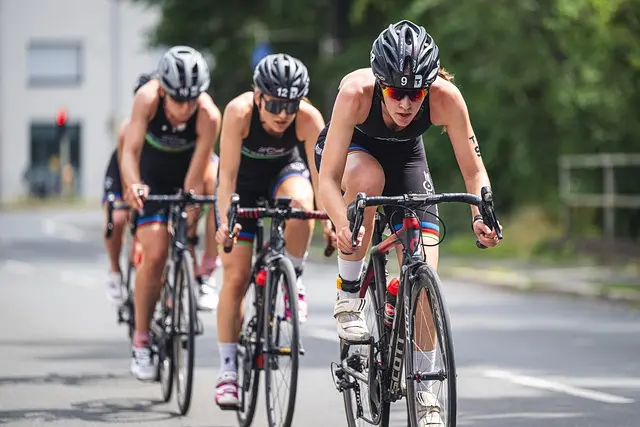
Before you even step foot into a store or start browsing online, it's crucial to understand the demands of your specific sport. Different sports have varying requirements regarding footwear, clothing, protective gear, and equipment. For example, a runner needs lightweight shoes that provide good cushioning, while a cyclist may prioritize aerodynamics and comfort in apparel. By identifying the requirements of your chosen sport, you can approach your gear selection with a focused mindset, making it easier to find what will truly benefit your performance.
2. Set a Budget
Setting a budget for your sports gear can significantly narrow down your choices and prevent overspending. High-quality gear often comes with a higher price tag, but this doesn’t always guarantee better performance. Take time to research various brands and their price points in relation to quality. It's important to find a balance between cost and the features you need. Many athletes have found that investing in quality items, when they can, yields better long-term value than frequently replacing cheaper alternatives.

3. Prioritize Fit and Comfort
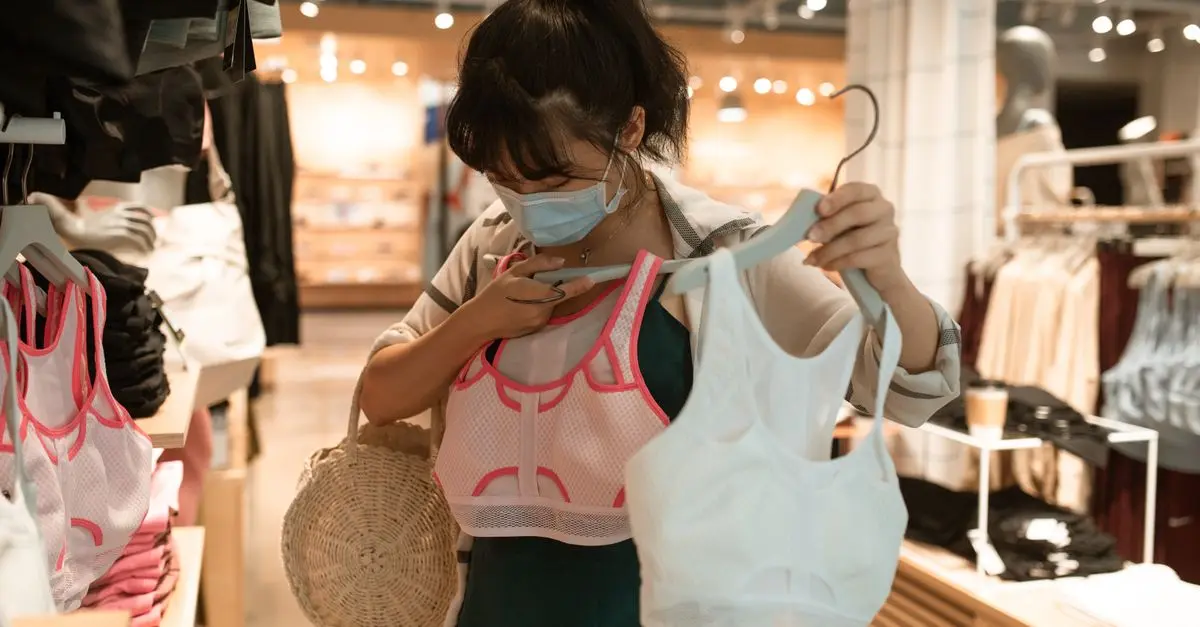
No matter how high the technology or how stylish the gear might be, if it doesn't fit well and isn’t comfortable, it won’t serve you well in your activities. Whether it's a sports bra, running shoes, or protective equipment, ensure that your gear fits snugly but allows for the freedom of movement. Many athletic stores offer fitting services where knowledgeable staff can help you find the perfect size. Sizing tables and customer reviews can also be invaluable resources when shopping online. Taking the time to ensure a proper fit will ultimately enhance your performance and reduce the risk of injuries.
4. Check for Quality and Durability
The durability of sports gear is a major consideration, especially for athletes who train frequently or participate in competitive sports. Look for gear constructed from high-quality materials that can withstand rigorous use. Pay attention to reviews about longevity and performance to gauge whether the gear will hold up over time. For example, a cycling tire must be durable to prevent punctures during long rides, while running shoes should have materials that resist wear and tear, particularly in high-impact areas.
5. Research the Latest Technology
In the ever-evolving landscape of sports gear, advancements in technology can make a significant difference. Whether it's moisture-wicking fabrics, enhanced cushioning systems in shoes, or aerodynamic designs in cycling equipment, keeping up to date with the latest technology can provide you with competitive advantages. Consult reputable sources, like UFC-Que Choisir or sports gear blogs, to learn about trending innovations. This can help you make informed decisions that will enhance your performance.
6. Ensure Proper Maintenance
Maintenance of your sports gear is crucial for its longevity and effectiveness. Follow manufacturer recommendations for care and cleaning. For instance, running shoes may need to be rotated for optimal performance and should never be placed in a washing machine unless specified by the brand. Regularly inspect your gear for signs of wear and tear. Taking care of your equipment, such as lubricating a bicycle chain or properly storing your tennis racket, can extend its life and maintain peak performance.
7. Read Customer Reviews
Customer reviews serve as a valuable resource for assessing the performance and comfort of sports gear. Reading about the experiences of other athletes can help highlight potential issues that may not be apparent from product descriptions. Look for reviews from verified buyers to ensure authenticity. Utilizing platforms or websites that specialize in sports gear reviews can also guide your choices. Additionally, consider assessing average ratings and feedback on specific features that matter for your sport.
8. Test Gear When Possible
If possible, try out gear before making a purchase. Many sporting goods stores have areas where you can test gear, especially footwear or protective equipment. This experience can provide the first-hand insight on fit, comfort, and functionality. For example, some stores even have treadmills or simulators for potential buyers to see how a running shoe performs. Testing items can often determine whether what looks good on paper translates into good performance during actual use.
9. Compare Brands and Products
Once you have identified the gear you need, it’s crucial to compare different brands and products to find the best fit for your needs. Understanding the differences between similar products can lead to better choices. Create a comparison chart outlining key features such as price, materials, durability, and customer feedback. Observing various options side by side can help you make a more informed decision and avoid buyer's remorse later on.
| Criteria | Brand A | Brand B | Brand C |
|---|---|---|---|
| Price | $$ | $$$ | $ |
| Durability | High | Medium | High |
| Comfort | High | Low | Medium |
| Performance | Excellent | Good | Fair |
| Verdict | Best choice | Good option | Affordable |
Checklist before Buying
- [ ] Understand your sport's requirements
- [ ] Set a reasonable budget
- [ ] Prioritize fit and comfort
- [ ] Check for quality and durability
- [ ] Research the latest technology
- [ ] Ensure proper maintenance guidelines
- [ ] Read customer reviews
- [ ] Test gear when possible
- [ ] Compare different brands and products
- [ ] Stay updated on the latest trends
📺 Resource Video
For a deeper dive into selecting the right sports gear, consider watching, “How to Choose the Right Sports Gear: What You Need to Know.” Search on YouTube: "how to choose sports gear 2026."
Glossary
| Term | Definition |
|---|---|
| Moisture-Wicking | Fabric technology that pulls sweat away from the body to keep the wearer dry. |
| Cushioning | Padding used in footwear to provide comfort and absorb shock. |
| Aerodynamics | The study of how objects move through the air, particularly important in sports gear for enhanced performance. |
---
📺 Pour aller plus loin : how to choose sports gear 2026 sur YouTube
Recommended products
Selected by our experts

TETON Sports - Celsius XXL 0 Degree Right Zipper Sleeping Bag for Camping - Gray
bestbuy.com
Plus Size Women's Glamorise MagicLift Seamless Sports Wirefree Bra 1006 (Women's & Women's Plus) by Glamorise in Cafe (Size 48 G)
roamans.com
Plus Size Women's Full Figure Plus Size Custom Control Sports Bra Wirefree #1166 Bra by Glamorise in White (Size 42 D)
roamans.com
Inspired Finds Monster TWS Wireless Bluetooth Earbuds HD Stereo Sound Sports In Ear Headphones With Charging Case & LCD Touch Display 2 Pcs Touch
inspireuplift.com