Table of Contents (16 sections)
Choosing the right sports gear is crucial for enhancing your performance and enjoyment in any physical activity. From bicycles to hiking equipment, the right gear can make all the difference. In this guide, we'll explore how to choose the right sports gear that suits your particular needs, ensuring you make informed decisions that enhance your experience.
1. Understand Your Needs and Activities
Before you dive into purchasing sports gear, it’s essential to clearly define your specific needs and the activities you plan to engage in. This understanding serves as the foundation for all subsequent choices.
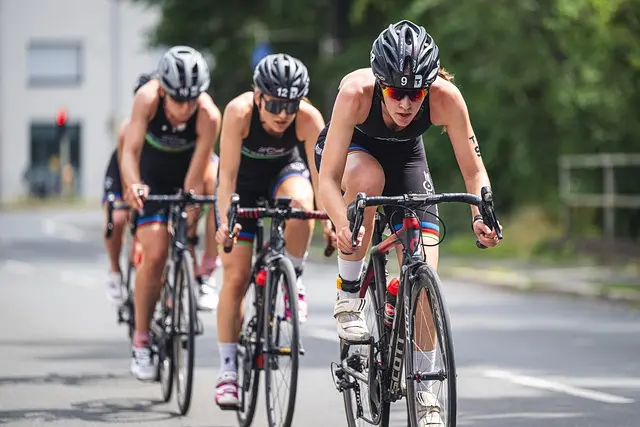
For instance, if you’re a cyclist, the type of biking you do—be it mountain biking, road cycling, or casual riding—will significantly influence your gear choices. According to statistics from Outdoor Industry Association, over 50 million Americans participate in cycling annually, reflecting a diverse range of needs. Taking the time to analyze your level of engagement and specific requirements can guide you to select the most effective equipment. Consider aspects such as:
- Skill Level: Are you a beginner, intermediate, or advanced athlete?
- Environment: Will you be exercising indoors or outdoors?
- Frequency: How often will you use this gear?
- Goals: Are you aiming for comfort, performance, or durability?
Understanding these elements will narrow down your options, leading you towards gear that aligns with your objectives.
2. Research Different Types of Gear
With a clear understanding of your needs, the next step is to research the different types of sports gear available on the market. Each category comes with its specifications and functionalities that cater to various activities.
For example, when selecting running shoes, factors such as cushioning, support, and terrain adaptability are vital. Cushioning impacts comfort and injury prevention; too little can lead to discomfort, while too much may hinder stability. Moreover, knowing whether you need a shoe optimized for road running versus trail running is essential in picking the right fit.
Additionally, checking reviews and product comparisons can greatly assist in your decision-making process. Engaging with platforms like Consumer Reports or reading user reviews on retail sites provides real-world insights into performance and durability.
Common Misconceptions to Avoid
- Price Equals Quality: Many assume higher-priced items are always better; however, a balance between price and performance is crucial.
- One-Size-Fits-All: Ignoring personal comfort and fit can lead to issues down the line. It’s essential to try gear before making a purchase.
- Trendy Over Practical: While trending gear can look appealing, functionality and comfort should be prioritized.
This research phase is crucial for ensuring that the gear you choose meets your practical needs without overspending on features you might not utilize.

TETON Sports - Celsius XXL 0 Degree Right Zipper Sleeping Bag for Camping - Gray
bestbuy.com
3. Prioritize Quality and Value
Investing in high-quality sports gear may require a higher upfront cost, but it often pays off through better performance, durability, and comfort. When choosing the right sports gear, look for products that offer:
- Material Quality: Look for reputable brands that use advanced materials, ensuring breathability, moisture-wicking, and durability. For instance, breathable fabrics are essential in clothing, while tires for biking should feature robust puncture resistance.
- Warranty or Guarantee: Many manufacturers offer warranties, signaling confidence in their product and providing you with assurance in your purchase.
- User Reviews: Real-world feedback from other users is invaluable. It helps you assess the value and reliability of the sports gear you’re considering.
Comparative Analysis Table
To assist in making a choice, a comparison of common sports gear options can be useful:
| Criteria | Option A | Option B | Option C | Verdict |
|---|---|---|---|---|
| Material Quality | High | Medium | Low | Choose A |
| Price | High | Medium | Low | Option B |
| Warranty | Yes | No | Yes | Tie |
| User Reviews | Positive | Mixed | Negative | Option A |
4. Test Before You Buy
Testing gear before purchasing is a practice that pays dividends. Visiting local stores that specialize in sports equipment allows you to feel gear firsthand. For instance, trying on shoes or holding a bicycle before buying provides clarity regarding comfort and suitability.
Important Testing Tips:
- Duration of Test: Spend sufficient time with the gear. Walk with running shoes, try on sports apparel for movement.
- Expert Assistance: Engage with sales representatives who can offer insights based on your needs.
- Real-Life Conditions: If possible, test equipment in simulated conditions relevant to your activities (e.g., outdoor terrain for hiking gear).
By performing these tests, you minimize the risk of purchasing unsuitable gear, ensuring a better fit for your activities.
5. Maintenance and Care
Once you make a purchase, knowing how to maintain your sports gear is crucial for longevity. Proper care can prevent wear and tear and prolong the life of your equipment. Here are some best practices:
- Read Care Instructions: Always check the cleaning instructions and adhere to them.
- Routine Inspections: Regularly check for wear, especially for components like tires or shoes, ensuring they remain safe and effective.
- Storage Practices: Store gear appropriately to avoid unnecessary damage. Items like bicycles should be kept indoors and away from harsh weather elements.
Checklist before Purchase
- [ ] Understand specific needs and activities.
- [ ] Research various types of sports gear.
- [ ] Compare quality and value based on reliability.
- [ ] Test the gear thoroughly.
- [ ] Plan for proper maintenance.
Q1: How do I know what size to choose for sports apparel?
A: Always refer to the manufacturer’s sizing guide, and if available, try on items before purchasing.
Q2: Is it worth investing in high-quality sports gear?
A: Yes! High-quality gear often provides better performance and durability, which can save you money in the long run.
Q3: Can I use one type of gear for multiple sports?
A: Some gear, like certain footwear, may work across sports, but specific activities often require specialized equipment for safety and performance.
Q4: How often should I replace my sports gear?
A: It depends on usage, but generally, you should assess gear annually for wear or after a specific number of uses, especially for footwear.

Moonglow LLC Personalized Engraved Choose Your Moon Phase Orion Necklace
sharperimage.com
Glossary
| Term | Definition |
|---|---|
| Cushioning | Material that absorbs shock and impacts, enhancing comfort in sports gear. |
| Durability | The ability of a product to withstand wear, pressure, or damage over time. |
| Moisture-wicking | A property of fabrics that draws sweat away from the body, keeping you dry. |
> 📺 For further learning: Choosing the Perfect Running Shoes, an in-depth guide on selecting the right footwear for various activities. Search on YouTube: "how to choose sports gear 2026".
📺 Pour aller plus loin : how to choose sports gear 2026 sur YouTube
Recommended products
Selected by our experts
Plus Size Women's Glamorise MagicLift Seamless Sports Wirefree Bra 1006 (Women's & Women's Plus) by Glamorise in Cafe (Size 48 G)
roamans.com
Plus Size Women's Full Figure Plus Size Custom Control Sports Bra Wirefree #1166 Bra by Glamorise in White (Size 42 D)
roamans.com
Inspired Finds Monster TWS Wireless Bluetooth Earbuds HD Stereo Sound Sports In Ear Headphones With Charging Case & LCD Touch Display 2 Pcs Touch
inspireuplift.com