Table of Contents (16 sections)
Discover why yoga blocks are essential tools in your practice. These versatile aids help enhance poses, improve alignment, and provide support and balance. Let's delve into their benefits and how to incorporate them into your routine effectively.
Why Use Yoga Blocks?
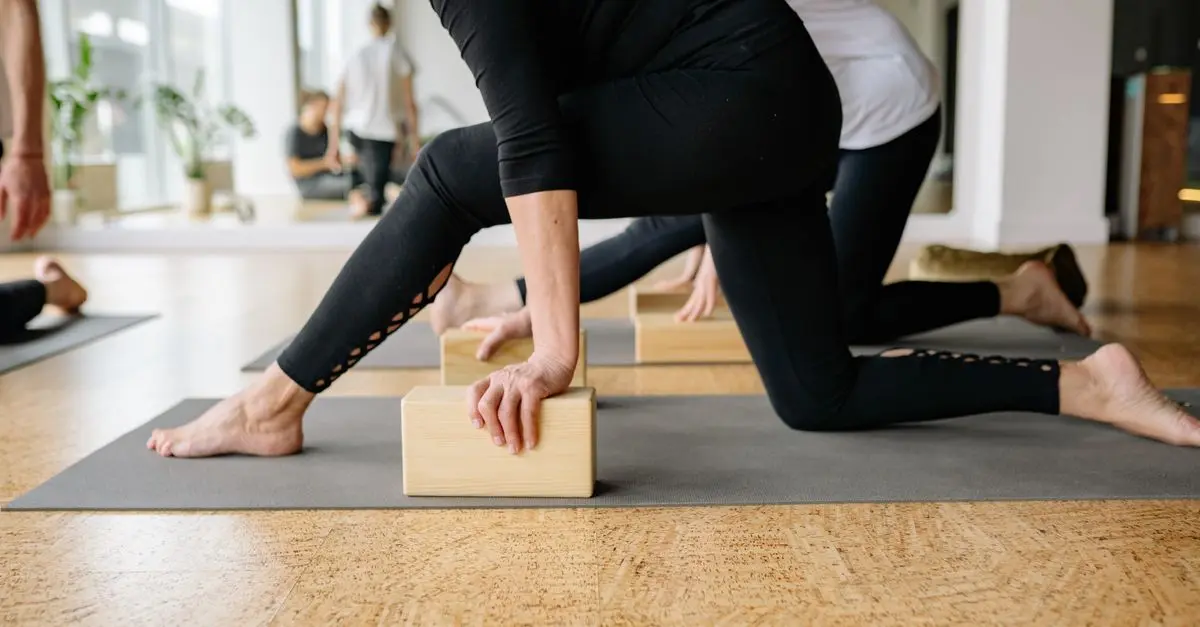
Yoga blocks, typically made from foam, cork, or wood, are designed to bridge the gap between your hands and the floor. They bring the ground closer, allowing greater stability and alignment, especially for beginners. According to Yoga Journal, using blocks can significantly reduce strain in poses by ensuring proper alignment. They help practitioners balance better, engage muscles effectively, and gradually increase flexibility.
Benefits of Yoga Blocks:
- Improved Alignment: Blocks assist in foundational form, ensuring proper muscle engagement.
- Increased Flexibility: Gradually work towards flexibility by using blocks to ease into poses.
- Enhanced Balance: Achieve challenging poses with increased stability.
Step-by-Step Guide: Using Yoga Blocks
Step 1: Choosing the Right Block
Selecting the appropriate block is crucial. Foam blocks are lightweight and affordable, ideal for beginners. Cork blocks are eco-friendly and sturdy, offering firm support. Wooden blocks, although heavier, provide robust stability.
Step 2: Starting with the Basics
Begin with basic poses like the Forward Bend. Place a block on the floor to rest your hands if they don't reach the ground. This maintains posture integrity and prevents over-stretching.
Step 3: Advancing in Poses
In advanced poses like the Half Moon or Triangle, place a block under your hand to maintain balance and alignment as you deepen the stretch.
Step 4: Enhancing Core Strength
Use blocks to work on core strength by placing them between the thighs in poses like the Bridge. This encourages inner thigh activation and enhances core stability.
Step 5: Exploring Different Heights
Experiment with different block heights to find comfort and challenge. Most blocks have three height settings—low, medium, and high—offering versatility in various poses.
Step 6: Practicing Restorative Yoga
For restorative poses, place blocks under your back, neck, or legs to relieve tension and support relaxation.
Step 7: Common Mistakes to Avoid
Avoid relying too much on blocks; use them to guide improvement and not as a crutch. Also, ensure the blocks are stable and not positioned on uneven surfaces.
Comparative Analysis: Foam vs. Cork vs. Wooden Blocks
| Feature | Foam Block | Cork Block | Wooden Block |
|---|---|---|---|
| Weight | Light | Moderate | Heavy |
| Eco-friendly | Moderate | High | Moderate |
| Cost | Low | Moderate | High |
| Durability | Moderate | High | Very High |
- How do yoga blocks improve practice?
Yoga blocks enhance poses by providing support, improving alignment, and enabling deeper stretches.
- Are yoga blocks necessary for beginners?
Yes, they are particularly beneficial for beginners to connect with poses safely and develop strength and flexibility over time.
- What are alternative items if I don't have a yoga block?
Household items like thick books or sturdy boxes can temporarily substitute yoga blocks.
- How do I clean my yoga blocks?
Use mild soap and water for foam and cork blocks and a damp cloth for wooden blocks.
Glossary
| Term | Definition |
|---|---|
| Chaturanga | A yoga pose similar to a low plank for strength. |
| Vinyasa | A series of poses linked by breath-flowing. |
| Savasana | A restorative pose for deep relaxation. |
🧠 Quiz rapide : What material is best for stability in yoga blocks?
- A) Foam
- B) Cork
- C) Wood
Réponse : C — Wooden blocks offer the greatest stability due to weight.
Conclusion
Incorporating yoga blocks into your practice can transform your experience, enhance poses, and prevent injury. Embrace these tools to explore deeper dimensions in your practice.