Table of Contents (13 sections)
What Are Running Shoe Technologies?
Running shoe technologies refer to various advancements in footwear design and materials aimed at enhancing the performance, comfort, and protection of runners. Over the past decades, these technologies have evolved significantly, addressing the needs of different types of runners—whether they are marathoners, casual joggers, or trail enthusiasts. Features such as lightweight materials, advanced cushioning systems, and improved traction have become commonplace in modern running shoes. For instance, the incorporation of breathable mesh uppers not only improves comfort but also helps regulate temperature, minimizing the risk of blisters.
According to recent market analysis, the global running shoes market is expected to reach approximately $20 billion by 2026, driven primarily by innovations in technology. More brands are investing in research and development to create shoes that cater specifically to diverse running styles and terrains. Clearly, understanding these technologies can empower runners to make informed choices that can significantly impact their performance.
How Do Running Shoe Technologies Work?
The operational aspects of running shoe technologies can be grouped into several key areas. First, the midsole technology, which primarily provides cushioning and support. Popular materials include EVA (Ethylene Vinyl Acetate) and TPU (Thermoplastic Polyurethane), which offer different benefits in terms of responsiveness and weight. For example, shoes with EVA midsoles tend to be lightweight and provide adequate cushioning, making them an excellent choice for speed workouts.
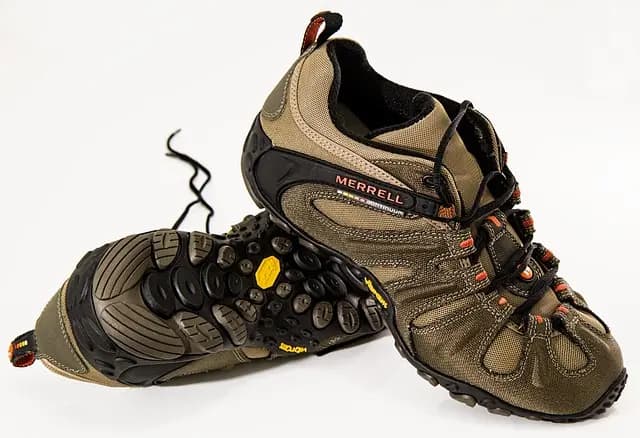
Another critical component is the outsole, designed to maximize traction and durability. Technologies such as Continental Rubber or specialized tread patterns can provide better grip on varying surfaces, which is essential for trail runners. Moreover, many shoes feature Rock Plate Technology for added protection against sharp rocks and debris, a crucial aspect for off-road terrains.
Lastly, upper technologies, like seamless constructions or adaptive fit systems, lead to a better fit around the foot, reducing the risks of discomfort. Implementing a lacing system that allows adjustment without pressure points can significantly improve the runner's overall experience.

adidas Tour360 24 BOOST Golf Shoes - Cloud White/Collegiate Navy/Silver Metallic - 12.5 - WIDE
carlsgolfland.com


invisaWear Technologies Corporation Safety Classic Keychain - Gold Flower
sharperimage.com
Comparing Different Types of Running Shoe Technologies
To help you understand the options available, here is a comparison of several popular running shoe technologies:
| Feature | Cushioning | Traction | Durability | Best For |
|---|---|---|---|---|
| EVA Material | Lightweight, responsive | Moderate grip | Mid-range | Road running |
| TPU Material | Enhanced stability | High grip | High-end durability | Trail running |
| Rock Plate | N/A | Strong grip | Excellent protection | Technical trails |
| Breathable Mesh Upper | Great comfort | N/A | Moderate | All types |
| Adaptive Fit Technology | Excellent adjustability | N/A | High | Long-distance |
The Impact of Technology on Running Performance
Engagement with running shoe technologies can lead to profound impacts on performance metrics such as speed, endurance, and overall comfort. An interesting study published in the Journal of Sports Sciences found that runners using enhanced cushioning technologies reported up to a 25% reduction in fatigue during longer runs. Such findings underscore how crucial these advancements can be in altering a runner’s experience.
Moreover, technologies that optimize energy return, like Nike's Air Zoom technology, provide a spring-like effect that can significantly boost performance during races. Runners constantly look for any marginal gains, especially during competitions, making it imperative to choose footwear that leverages these technologies.
More notably, user testimonies frequently highlight how certain shoes have not only improved their running times but have also made longer workouts feel more comfortable. An engineer specializing in footwear technology remarked, > 💡 Expert Opinion: “Selecting the right shoe is essential for injury prevention and performance enhancement. Nowadays, technology bridges the gap between comfort and efficiency in running shoes.”
FAQs about Running Shoe Technologies
Q: How often should I replace my running shoes?
A: It's recommended to replace your running shoes every 300-500 miles, but this can vary based on your weight, running style, and surface.
Q: What type of running shoes should I choose for trail running?
A: Trail running shoes come equipped with specialized traction and protective features, such as rock plates. Look for shoes made with TPU and a rugged outsole.
Q: Do more expensive running shoes offer better technology?
A: Not always; while higher-priced shoes may use premium materials and advanced technologies, it's essential to find the right fit and specifications that suit your running style.
Q: Can the right shoes prevent injuries?
A: Yes, appropriate running shoes designed for your foot type and running habits can significantly reduce the risk of injuries.
Glossary
| Term | Definition |
|---|---|
| EVA | Ethylene Vinyl Acetate, a lightweight foam used for midsole cushioning. |
| TPU | Thermoplastic Polyurethane, a highly durable material used in shoe construction for better responsiveness. |
| Rock Plate | A protective layer in trail shoes that shields the foot from sharp objects while running on rough terrains. |

Argon Technologies Inc., dba Klymit Rightline Gear Memory Foam Camp Pillow - Green - Large
sharperimage.com

YISORA Cordless Vacuum Cleaner, 40Kpa 55Mins Running Time Wireless Vacuum Cleaner with Touchscreen for Pet Hair, Carpet
shop.simon.com

YISORA Cordless Vacuum Cleaner, 40Kpa 55Mins Running Time Wireless Vacuum Cleaner with Touchscreen for Pet Hair, Carpet
shop.simon.com
Checklist before purchase
- [ ] Identify my foot type (neutral, overpronation, supination).
- [ ] Determine the running surface (road, trail, treadmill).
- [ ] Assess the type of running I'm doing (training, racing, casual).
- [ ] Test the level of cushioning needed.
- [ ] Check the size and fit to avoid blisters or discomfort.
📺 Resource Video
> 📺 For further insights: [Latest Technologies in Running Shoes], an in-depth look at modern advancements. Search on YouTube: 'latest running shoe technologies 2026'.
📺 Pour aller plus loin : What's the BEST Running Shoe for 2026? sur YouTube
Recommended products
Selected by our experts