Table of Contents (12 sections)
Selecting the right running shoes is crucial for comfort, performance, and injury prevention. This guide will walk you through the entire process, providing step-by-step instructions, expert tips, and common pitfalls to avoid.
1. Understand Your Foot Type
Knowing your foot type is essential for selecting running shoes that fit well and provide the necessary support. There are three primary foot types: neutral, overpronator, and underpronator (or supinator).
- Neutral Feet: If your arches are normal and you don't roll your foot excessively, you have a neutral foot type. Look for a balanced shoe that provides cushioning and stability.
- Overpronation: This occurs when the foot rolls inward excessively during running. Overpronators typically need shoes with motion control features or stability shoes that provide extra support.
- Underpronation: If your foot rolls outward, you may be an underpronator. Cushioned shoes are ideal as they provide flexibility and support to prevent injury.
Before purchasing, consider visiting a specialty running store for a professional fitting. They often analyze your gait and foot type in-store. Understanding these factors will help narrow down your options and lead to a more informed purchase.
2. Determine Your Running Style and Terrain
Your running style and the type of terrain you commonly use also impact your shoe selection. Consider the following aspects:
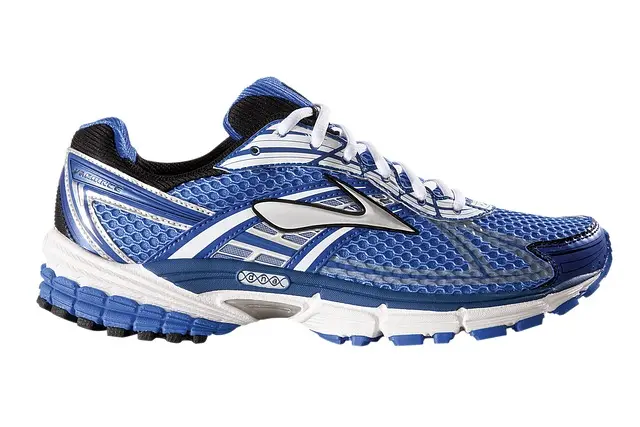
- Road Running: Road-running shoes are typically lighter and designed for paved surfaces. They provide good cushioning but less traction.
- Trail Running: These shoes have a rugged outsole for better grip on uneven terrain. They often provide more support and protection against rocks and roots.
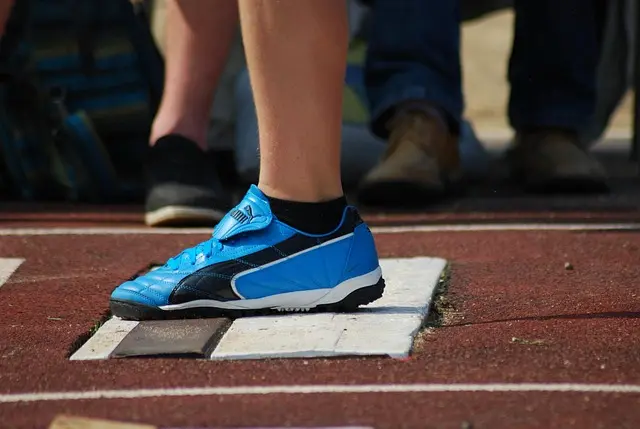
- Track Running: If you run primarily on a track, look for lightweight track shoes that offer speed and responsiveness.
Additionally, assess how often you run and in which conditions (wet, dry, rocky). If you run in various terrains, consider a hybrid shoe that can manage different surfaces.
3. Assess Your Budget
Having a budget in mind is essential when selecting running shoes. While it's tempting to go for the latest model, it’s crucial to find a good balance of quality and price.
- Low Range ($50 - $80): These shoes may have limited features and cushioning but can be suitable for beginners or occasional runners.
- Mid Range ($80 - $150): Most running shoes that provide decent performance fall in this range. They usually have good cushioning and support but aren't the latest models.
- High Range ($150 - $250): Premium shoes come with advanced technology, superior materials, and enhanced comfort. They’re often preferred by serious runners.
Dedicating an appropriate budget ensures you have options that align with your requirements without breaking the bank. Remember, investing in good shoes can save you from potential injuries down the line.
4. Try Before You Buy
Trying on shoes before making a purchase is one of the most important steps. Here are some tips to consider:
- Fit: Ensure there’s a thumb’s width of space between your longest toe and the end of the shoe. Your foot should feel secure, not tight.
- Comfort: Walk or jog around the store. The shoes should feel comfortable immediately; avoid shoes that cause discomfort or pain.
- Socks: Wear the type of socks you plan to use during your runs when trying on shoes. This can affect the fit.
- Time of Day: Try shoes later in the day when your feet are more swollen. This helps ensure they’ll be comfortable when you run.
5. Know the Return Policy
Finally, check the store’s return policy before buying. Running shoes often require a break-in period, and how they perform on your feet can greatly differ from how they feel in the store. Being aware of a generous return policy can help you feel confident in your purchase. Look specifically for stores that allow returns for a certain period after purchase, even if the shoes have been worn.
💡 Expert Tip: Many brands now offer a trial period during which you can run in the shoes and return them if they don’t work out. This can add peace of mind to your purchase.
📺 Resources Video
> 📺 For further insights: Watch our detailed guide on how to select running shoes, focusing on fitting techniques, shoe types, and recommendations. Search on YouTube: "how to choose running shoes 2026".
Common Mistakes to Avoid
When selecting running shoes, avoid these common pitfalls:
- Choosing style over comfort.
- Ignoring the importance of the return policy.
- Not considering your running style and terrain.
The Final Checklist
Use this checklist to ensure you're ready to buy:
- [ ] Know your foot type.
- [ ] Understand your running style and terrain.
- [ ] Set a realistic budget.
- [ ] Try on shoes at the end of the day.
- [ ] Check the return policy.
Glossary
| Term | Definition |
|---|---|
| Pronation | The natural movement of the foot during running; overpronation involves excessive inward rolling, while underpronation is the outward rolling. |
| Cushioning | The material used in shoes that helps absorb shock and provide comfort during running. |
| Fit | The way the shoe conforms to the shape of your foot; important for performance and injury prevention. |
Recommended YouTube Search Query
"how to choose running shoes 2026"
📺 Pour aller plus loin : how to choose running shoes 2026 sur YouTube