Table of Contents (10 sections)
Choosing the right sports gear is crucial for both performance and safety across various activities. Whether you’re a casual participant or a dedicated athlete, selecting the appropriate equipment can enhance your experience, improve your skills, and help prevent injuries. In this guide, we explore effective ways to approach gear selection, categorize gear for different types of sports, and provide insights into current trends and technology in the marketplace.
Understanding What Sports Gear You Need
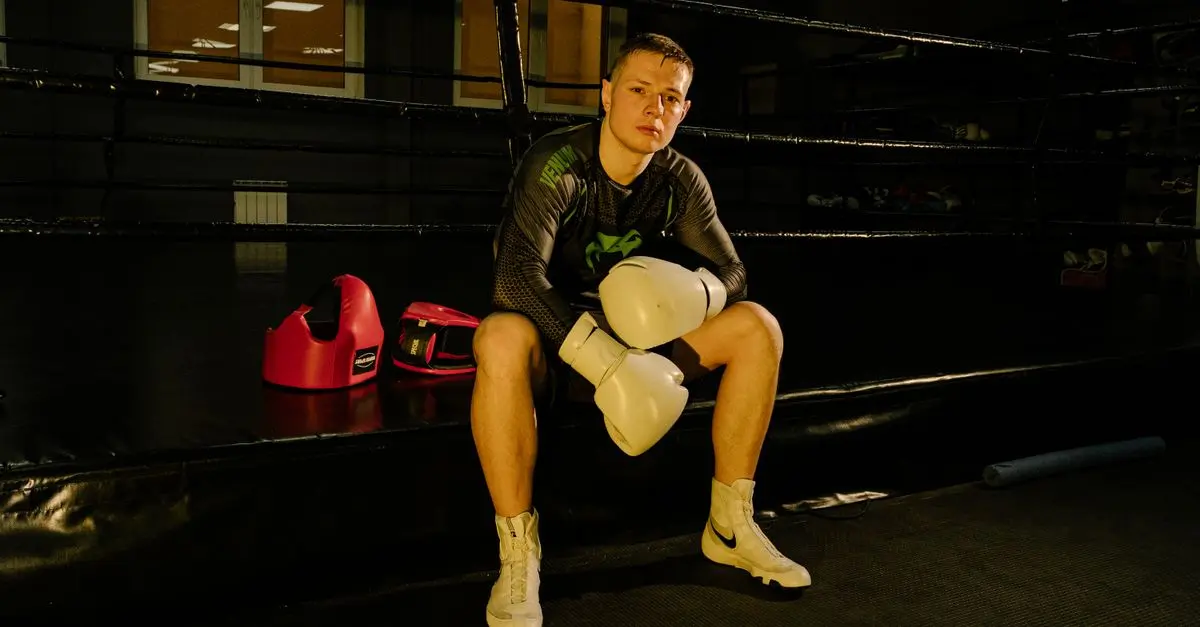
Sports gear refers to the equipment and apparel that athletes use to support various physical activities. It includes everything from footwear and protective equipment to clothing and accessories designed for performance enhancement. Understanding the specific requirements for each sport is paramount. Different sports demand different types of gear tailored to the specific movements, intensity levels, and environmental conditions associated with them. For instance, football gear heavily emphasizes protective pads and helmets, while running gear focuses on footwear designed for overall comfort and support.
The choice of gear affects not just performance but also safety. Wearing the right footwear, for example, can reduce the risk of injuries like sprained ankles or blisters. Additionally, specialized clothing, such as moisture-wicking fabrics, can enhance comfort and performance during workouts or competitions. According to UFC-Que Choisir, equipment failures may account for a significant percentage of sports-related injuries each year. Having the proper gear is not just about performance; it's a matter of safety and well-being.
How to Choose the Right Sports Gear
Choosing sports gear involves several steps: assessing your needs, setting a budget, and researching products. Here’s a simple method to guide your selection process:
- Assess Your Activities: Identify the primary activities in which you will engage. Will you be running, cycling, playing team sports, or tackling outdoor adventures?
- Research Requirements: Each sport has industry standards and gear guidelines. Research the most recommended items for your chosen activity.
- Set a Budget: Determine how much you are willing to invest in high-quality equipment and clothing. Remember that investing in quality gear can save money in the long run through durability and performance.
- Test Gear: If possible, try out gear before buying — especially footwear and protective equipment. Stores often have locations equipped with areas for product trials.
- Read Reviews and Ratings: Consult online reviews and ratings from fellow participants and experts to uncover insights into the best products available.
Researching specific gear related to your sport can optimize your experience. For example, a tennis player might need specially designed shoes that provide lateral movement support, while a cyclist would prioritize lightweight gear that minimizes drag.
Comparing Different Types of Sports Gear
A comparison can help clarify which gear is best suited for your needs. Below is a table contrasting various aspects of sports gear for two popular activities: running and cycling.
| Criteria | Running Shoes | Cycling Shoes | Verdict |
|---|---|---|---|
| Weight | Lightweight (200g avg) | Lightweight (150g avg) | Both options prioritize minimal weight to enhance performance. |
| Support | Neutral vs. Stability | Clip-in vs. Standard | Choosing the right support type is essential to reduce injuries. |
| Breathability | High (mesh materials) | Moderate | Runners need maximum breathability to support long distances. |
| Durability | Moderate (500 miles avg) | High (1000 miles avg) | Cycling shoes generally have greater durability for extensive use. |
Statistical Insights into Sports Gear Trends
Recent studies show a growing trend toward environmentally-friendly sports gear. According to an INSEE report released in 2025, the market for eco-friendly sporting goods has surged by over 20% as consumers become more conscious of sustainability. This trend is particularly pronounced among younger athletes who seek brands that prioritize environmentally responsible practices.
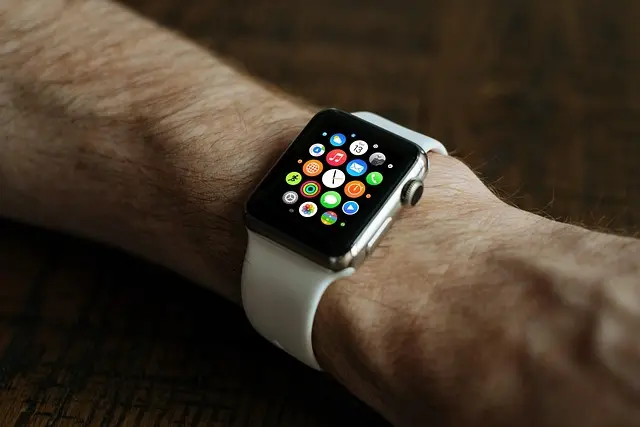
Moreover, the global sports gear market is projected to reach $200 billion by 2026, fueled by innovations in materials and technology, such as moisture-control fabrics and biomimetic designs that improve performance. Integrating advanced technologies, such as wearables that monitor performance metrics, is gaining traction and reshaping how athletes interact with their gear. According to industry analysis by Les Numériques, consumers are increasingly drawn to products that offer a mix of technology, safety, and aesthetics.
FAQ: Common Questions About Choosing Sports Gear
1. What should I consider when choosing sports gear?
You should assess the sports you engage in, determine your commitment level, and understand specific requirements for optimal performance and safety.
2. How do I know which size to choose for sports shoes?
Always measure your foot before purchasing, consider the type of activity, and read size charts from manufacturers to ensure an accurate fit.
3. Is expensive gear worth the investment?
Generally, more expensive gear features better materials, durability, and technology. Investing in quality can enhance performance and reduce injury risk.
4. How often should I replace my sports gear?
It varies by activity and equipment. Running shoes typically require replacement every 300-500 miles, while protective gear should be assessed regularly for wear.
Checklist before Purchase
- [ ] Assess my sporting activities
- [ ] Set a clear budget
- [ ] Research product reviews
- [ ] Try on or test gear in-store
- [ ] Ensure sizing aligns with manufacturers' recommendations
Glossary
| Term | Definition |
|---|---|
| Sports Gear | Equipment used in physical activities for performance or safety. |
| Moisture-Wicking | Fabric designed to wick away sweat from the skin. |
| Biomechanics | Study of the mechanical aspects of living organisms, applying to movement efficiency. |
> 💡 Expert Opinion: Selecting the right sports gear is critical for not only performance but also long-term health and injury prevention. Proper evaluation should include not only your needs but also your budget and environmental impact considerations.
Additional Resources
> 📺 For further insights: Choosing the Right Gear for Your Favorite Sports, a complete guide on how to optimize your athletic performance with gear. Search on YouTube: "choosing sports gear 2026".
Choosing the right sports gear can be complex, but being informed and prepared can significantly enhance your activities. Dive into the gear recommendations below to start optimizing your performance today!
Recommended Products
- - - Happy training, and remember: the right gear makes all the difference in your sports performance!
📺 Pour aller plus loin : choosing sports gear 2026 sur YouTube
Recommended products
Selected by our experts

Sportsalil Anti Scratch Gel 30ml
DocMorris FR (ex DoctiPharma FR)
An excellent option for skin protection, this anti-scratch gel ensures that your skin remains safe during intense physical activities.

Oxd Sports Massage Gel de récupération de massage 200 ml
DocMorris FR (ex DoctiPharma FR)
This sports massage gel is perfect for recovery, helping to soothe sore muscles and improve overall performance post-activity.