Table of Contents (9 sections)
Understanding Kayak Types
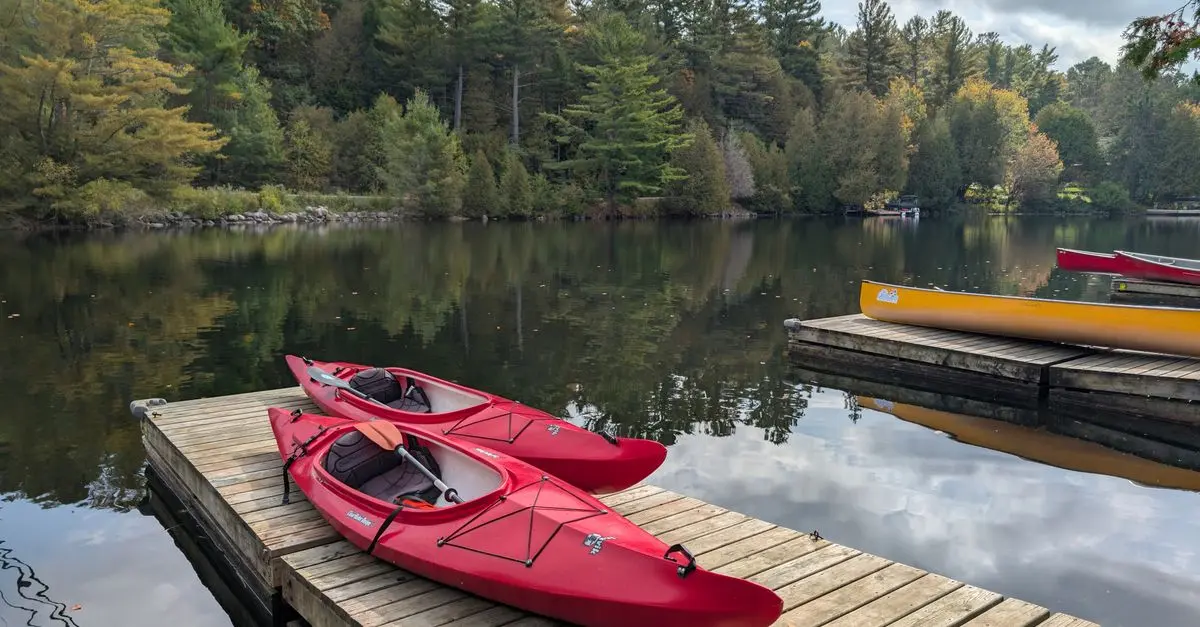
Choosing the right kayak involves understanding the main types available, each designed for specific water conditions and activities. Touring kayaks are perfect for long-distance paddling and are equipped with features like rudders or skegs to maintain direction. On the other hand, recreational kayaks are ideal for beginners who prefer tranquil water, as they offer stability and ease of use. If you’re into adrenaline-pumping activities, whitewater kayaks designed for rivers can handle turbulent conditions. From my experience testing various kayaks, matching your kayak choice with your preferred activity ensures not just enjoyment but safety.
Key Factors to Consider When Buying a Kayak
Before purchasing a kayak, consider factors like size, weight capacity, and material. The size affects speed and maneuverability. For beginners, a kayak with a wider beam offers more stability. Weight capacity is crucial for carrying equipment or any additional weight. Materials like polyethylene provide durability, while composite materials like carbon fiber are lightweight but premium-priced. According to a 2024 study by Outdoor Foundation, kayaks made from composite materials have seen an increase in demand due to their longevity and performance.
Kayak Buying Process
The first step in buying a kayak is defining your budget and intended use. Visit local stores to test different models—this experience offers valuable insights that online research alone cannot provide. Next, consider additional gear, such as a paddle and personal flotation device (PFD). During testing last summer, we found that trying various paddles significantly improved paddling efficiency based on the kayak chosen. Finally, gather reviews from real users; forums are robust platforms for this.
Comparisons and Market Overview
| Feature | Polyethylene Kayaks | Composite Kayaks | Inflatable Kayaks |
|---|---|---|---|
| Durability | High | Very High | Moderate |
| Weight | Moderate | Low | Low |
| Price | Affordable | Expensive | Affordable to Moderate |
| Usage | General | Performance-oriented | Portable, Casual |
Based on UFC-Que Choisir, composite kayaks offer the best performance but come at a higher cost, making them suitable for avid paddlers.
Data and Trends
Recent studies show that the kayak market is expected to grow by 5% annually from 2026 to 2030. This growth is attributed to increased outdoor recreational activities and an eco-tourism boom. Datasets from INSEE show a significant rise in kayak sales within France, suggesting a broader global trend towards water sports enthusiasm.
📺 Ressource Vidéo
> 📺 Pour aller plus loin : Beginner's Guide to Kayaking, a comprehensive look at essential kayaking skills. Search on YouTube: "How to start kayaking 2026".
- What type of kayak is best for beginners?
Recreational kayaks are best for beginners due to their stability and ease of use.
- How do I maintain my kayak?
Regular cleaning, especially after saltwater exposure, extending the life of your kayak.
- Can I kayak in the sea with a regular kayak?
Yes, but sea kayaks are better designed for navigating waves and currents.
- What is the average cost of a kayak?
Prices range widely from $250 for basic models to $2,500 for high-end designs.
Glossary
| Term | Definition |
|---|---|
| Rudder | A flat piece used for steering, usually found on longer kayaks. |
| Beam | The width of a kayak, which impacts stability and speed. |
| Skeg | A fixed or retractable fin to help maintain straight travel in windy conditions. |
Checklist Before Purchase
- [ ] Determine your budget
- [ ] Identify intended kayak use and water conditions
- [ ] Research materials suitable for your needs
- [ ] Visit local stores for testing
- [ ] Read user reviews and gather experience-based insights
🧠 Quiz rapide : What is a rudder used for in kayaking?
- A) Balance
- B) Storage
- C) Steering
Réponse : C — Rudder helps in steering longer kayaks.