Table of Contents (10 sections)
Assessing the durability of sports gear is crucial for any athlete or outdoor enthusiast. Whether you're a casual jogger, a gym enthusiast, or a dedicated mountain climber, ensuring your gear can withstand the rigors of your activities is essential for both performance and safety. In this guide, we will explore several critical factors to consider when evaluating sports gear durability.
1. Understanding Durability
Durability in sports gear refers to its ability to withstand wear and tear over time. It is affected by various factors including materials, construction, and design. Durable gear not only performs better but also saves you money in the long run. According to a study by UFC-Que Choisir, wear and tear can significantly affect sports performance, proving that investing in durable equipment is essential for serious athletes.
Why is durability important? Well, consider this: quality gear can enhance your performance, minimize injuries, and provide comfort during activities. For example, the fabric used in athletic wear can either trap sweat and cause discomfort or wick it away effectively, impacting your overall experience. Always look for moisture-wicking, breathable materials when assessing clothing, as these can significantly influence performance.
2. Material Matters
The type of material used in sports gear plays a vital role in its durability. Here are some common materials and their properties:
- Nylon: Known for its strength and resistance to abrasion, making it ideal for backpacks and outdoor gear.
- Polyester: This material is durable and lightweight, and often comes with moisture-wicking properties, great for athletic clothing.
- Gore-Tex: A waterproof yet breathable fabric, perfect for outerwear and footwear exposed to harsh weather conditions.
It's essential to understand the material composition of the gear you're evaluating. An athlete can significantly enhance their performance with the right materials that cater to their specific needs. For instance, a mountain climber would benefit from water-resistant, reinforced fabrics, ensuring their gear holds up against harsh conditions. Always consider these factors when browsing for gear.
3. Construction Quality
To evaluate sports gear durability effectively, inspect its construction quality. Look for reinforced seams, sturdy zippers, and strong stitching. Here are some aspects to consider when assessing construction:
- Seam Construction: Are the seams double-stitched or reinforced? This often indicates a durable item.
- Zippers and Fasteners: High-quality zippers or fastening systems will not only last longer but also function better under stress.
- Warranty or Guarantee: A longer warranty often signifies confidence from the manufacturer regarding the product's durability.
By taking the time to inspect these features closely, you can ensure that your gear is built to last. Brands with reputations for high-quality construction often provide detailed product descriptions or customer reviews, helping you make an informed decision.
4. Real-Life Testing
One of the best ways to assess durability is through real-life testing. When possible, test the gear under conditions that mirror your intended use. Here are some examples:
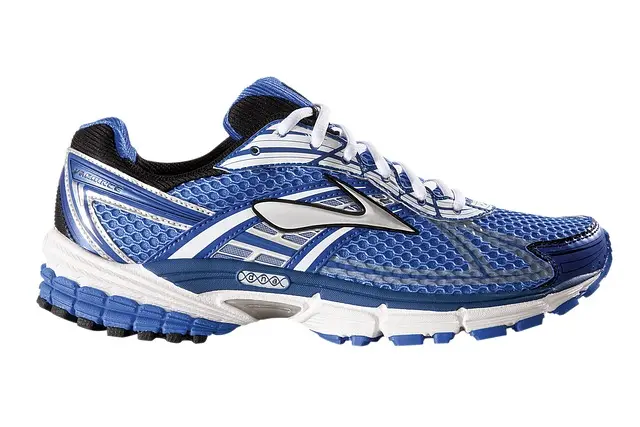
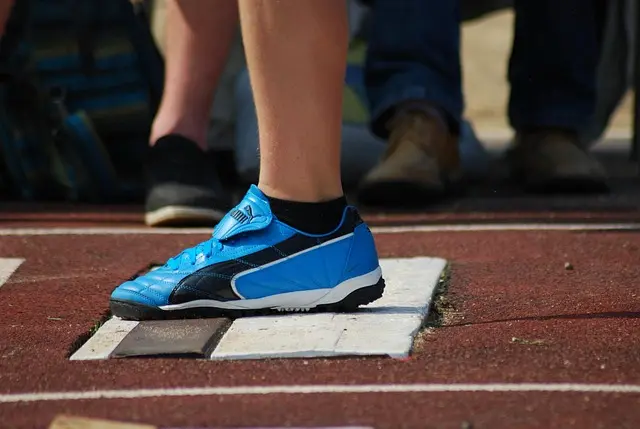
- Footwear: Try walking or running on different surfaces to gauge comfort and resilience.
- Equipment: Use the gear during actual practice to see how it holds up under stress. For example, a bicycle helmet should fit snugly and stay intact during use.
- User Reviews: Don't underestimate the power of fellow users. Online platforms provide a great resource where athletes share real experiences regarding a gear's longevity after extended use.
Checking user feedback can guide you toward durable options. Many customers will share testimonials that highlight wear and tear issues or praise the longevity of a product.
5. Comparison of Popular Gear Types
Understanding how different types of gear stack up in terms of durability can help narrow down your choices. Here’s a comparison of a few common gear types:
| Gear Type | Material | Durability Rating (1-5) | Notes |
|---|---|---|---|
| Running Shoes | Polyester | 4 | Great for casual runners, less for rough terrain |
| Hiking Boots | Leather | 5 | Excellent in rough terrains, durable for years |
| Biking Helmet | ABS Plastic | 4 | Strong but check for fit and comfort |
| Jackets | Gore-Tex | 5 | Best choice for severe weather protection |
6. Maintenance Tips for Prolonged Durability
To ensure the durability of your sports gear, regular maintenance is critical. Here are some tips to keep your gear in top shape:
- Cleaning: Always follow the care instructions to avoid material degradation. For example, using harsh detergents can impact waterproof coatings.
- Drying: Proper drying techniques preserve fabric properties. Avoid direct sunlight when drying synthetic fabrics as it can weaken fibers.
- Storage: Store gear in a cool, dry place to prevent mold and deterioration from humidity.
By routinely checking and maintaining your gear, you can significantly enhance its lifespan and performance. This preventative care ensures you get the best out of your investment, keeping you safe and comfortable during your activities.
Checklist Before Purchase
- [ ] Check material durability (Nylon, Polyester, etc.)
- [ ] Inspect seam quality and construction details
- [ ] Read user reviews for real-life durability feedback
- [ ] Consider maintenance requirements for each item
- [ ] Compare similar items based on durability ratings
📺 For further insights:
> Watch this detailed guide on assessing sports gear durability, covering expert opinions and user tests. Search on YouTube: how to assess sports gear durability 2026.
Glossary
| Term | Definition |
|---|---|
| Durability | The ability of a product to withstand wear, pressure, or damage. |
| Moisture-wicking | Fabric designed to draw moisture away from the body, keeping the wearer dry. |
| Reinforced seams | Stitches double-stitched to increase strength and prevent tearing. |
> 🧠 Quick Quiz: What is the most important factor in sports gear durability?
> - A) Brand name
> - B) Material quality
> - C) Color choices
> Answer: B — Material quality directly impacts how long the gear will last.
📺 Pour aller plus loin : how to assess sports gear durability 2026 sur YouTube
Recommended products
Selected by our experts