Table of Contents (19 sections)
Choosing the right sports gear is crucial for any athlete, whether you are a casual jogger, a seasoned runner, or someone who enjoys team sports. Selecting appropriate equipment not only enhances performance but also helps prevent injuries. In this guide, we will explore the essential aspects of choosing sports gear, providing you with a comprehensive understanding of how to make the best selections based on your specific activities.
1. Understanding the Importance of Proper Sports Gear
When it comes to choosing sports gear, understanding its significance is the first step. Poorly chosen equipment can lead to discomfort and injuries, which may sideline an athlete for an extended period. According to the American Academy of Orthopaedic Surgeons, nearly 3.5 million children and teenagers receive medical treatment for sports injuries annually, many of which could be avoided with proper gear.
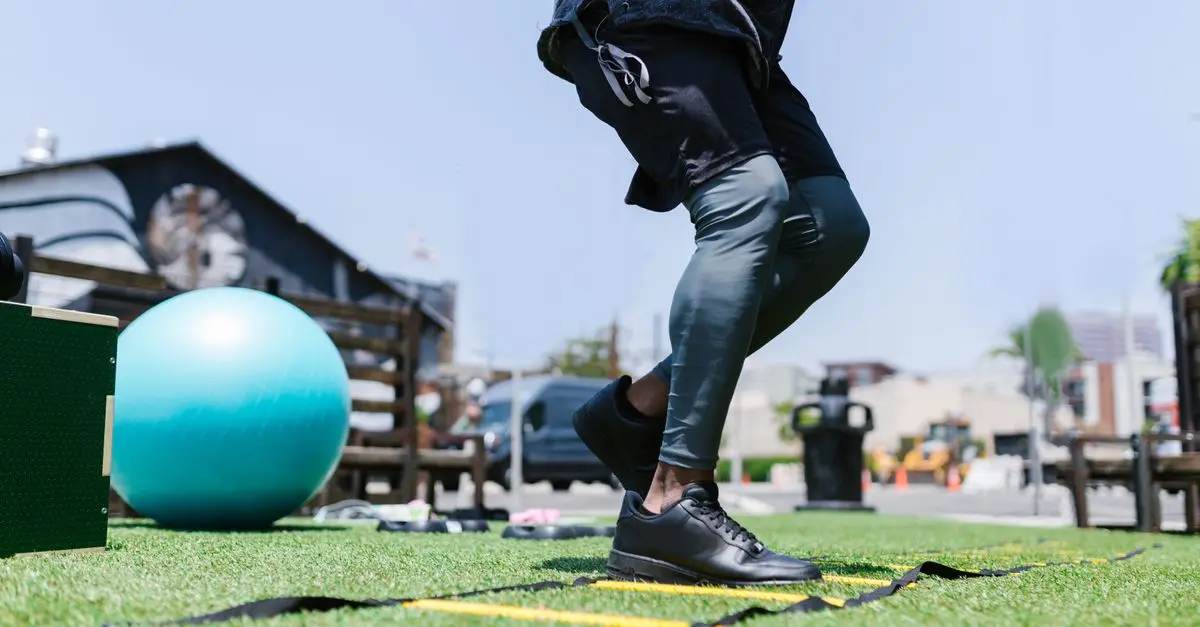
Each sport has unique demands that require specialized equipment. For instance, running shoes vary significantly from soccer cleats, both in terms of design and function. Low-quality or ill-fitting gear can lead to issues like blisters in runners or lack of support in sports that require agility. Therefore, it is crucial to prioritize quality and suitability based on the activity.
2. Steps for Choosing Sports Gear
Step 1: Identify Your Sport or Activity
Before you can begin choosing sports gear, clearly identify the sport or activity you will engage in. Different sports require different types of gear, and understanding these specifics can help streamline your shopping process. For example, if you are a cyclist, you will need a good quality helmet, cycling shorts, and proper bike shoes. In contrast, a basketball player will require supportive shoes with excellent traction, a jersey, and appropriate shorts. Take time to research what specific gear is commonly recommended for your sport.
Step 2: Determine Your Skill Level
Your skill level plays a significant role in what type of gear you should purchase. Beginners may only need budget-friendly gear to get started, while more experienced athletes will benefit from invested craftsmanship and technology in higher-end products. Investing in quality equipment can yield improved performance. For instance, advanced runners can benefit from shoes with superior cushioning and support to meet higher training demands. Understand where you fall on this spectrum, as it will guide your purchasing decisions.
Step 3: Research Brands and Models
Once you’ve determined your sport and level, the next step is to research brands and specific models. Visit reputable sports retailers or websites that offer reviews on equipment. Look for user feedback on particular brands, as well as expert opinions. Customer reviews can highlight long-term performance aspects, while expert articles might provide insights on industry standards and innovations in sports gear.
Step 4: Focus on Fit and Comfort
Comfort and fit are essential when selecting sports gear. Many athletes overlook this critical aspect, thinking that gear will get comfortable over time. However, the opposite is often true; poorly fitting equipment can lead to injuries and reduced performance. When trying on gear, wear it as you would during an activity to assess its fit. Ensure that shoes offer enough room in the toe area without being too loose, and that clothing does not restrict movement.
Step 5: Consider Safety Features
Safety is paramount in any sport. Ensure that your selected gear includes necessary safety features. For example, if you are choosing a helmet, check for safety standards and certifications, such as the Consumer Product Safety Commission (CPSC) label. Additionally, consider gear that provides additional protection, like padded arm sleeves for contact sports, to prevent injuries. Always prioritize safety in your purchasing decisions.
Step 6: Test the Gear
Whenever possible, test the gear before committing to a purchase. Many sporting goods stores offer demo gear, and taking advantage of this can significantly enhance your experience. Try running on a treadmill in running shoes or don basketball sneakers on the court to gauge performance. This hands-on evaluation allows you to understand how the gear performs in practice rather than just theory, helping you make a more informed decision.

3. Comparative Analysis of Sports Gear
When it comes to purchasing gear, it can be beneficial to compare different options side by side. Pricing, comfort, safety features, and performance enhancements often vary widely between products. Here’s a comparative analysis of popular sports equipment features:
| Criterion | Entry Level | Mid-range | Premium | Verdict |
|---|---|---|---|---|
| Comfort | Good | Very Good | Excellent | Higher price = better fit |
| Durability | Moderate | Good | Excellent | Premium gear lasts longer |
| Safety Features | Basic | Enhanced | Comprehensive | Invest more for better safety |
| Price | Low | Moderate | High | Balance needs with budget |
The sports industry continues to grow, with a market revenue of over $200 billion globally, as per Statista (2026). Athletes prioritize gear that complements their performance. Trends increasingly indicate that consumers are more environmentally conscious, leading to the rise of sustainable materials in sports gear. According to UFC-Que Choisir, 62% of athletes prefer eco-friendly products when selecting gear.
5. Frequently Asked Questions
Q: How often should I replace my sports gear?
A: Generally, replace your gear whenever you notice significant wear and tear, or at least annually for running shoes, to avoid injuries.
Q: What should I look for in running shoes?
A: Focus on fit, cushioning, stability, breathability, and your foot type to find the right pair.
Q: Is it necessary to buy brand-name sports gear?
A: While brand names often involve reputation and quality assurance, many lesser-known brands also offer great value and performance.
Q: How can I save money while purchasing sports gear?
A: Look for sales, last season’s models, and consider buying second-hand gear in good condition.
Glossary
| Term | Definition |
|---|---|
| Cushioning | The material or technology in shoes that absorbs impact during activities. |
| Traction | The grip provided by footwear on various surfaces, important for stability. |
| Padded Gear | Equipment designed with protective padding to absorb shocks and reduce injury risk. |
Checklist Before Purchase
- [ ] Identify your sport or activity
- [ ] Determine your skill level
- [ ] Research brands and models
- [ ] Focus on fit and comfort
- [ ] Consider safety features
- [ ] Test the gear before buying
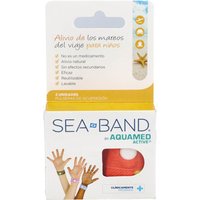
Sea Band Bracelet anti-mal des transports pour enfants 2 pièces
DocMorris FR (ex DoctiPharma FR)
📺 Ressource Vidéo
> 📺 For more insights: The Ultimate Guide to Choosing Sports Gear, a comprehensive breakdown of essentials needed for athletes at any level. Search on YouTube: how to choose sports gear 2026.
In conclusion, choosing the right sports gear involves understanding your activity, prioritizing comfort, and ensuring safety. By following these steps, you equip yourself with the best tools for performance and success. Explore our selections below for top-end products that fit your needs!
📺 Pour aller plus loin : how to choose sports gear 2026 sur YouTube
Recommended products
Selected by our experts
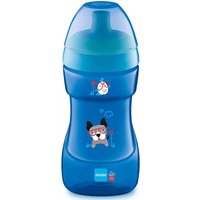
Coupe Avec Tapon Sport Blue Mam Sports Cup +12 M 330 Ml
DocMorris FR (ex DoctiPharma FR)

Pink Mam Sports Cup +12 M 330 Ml avec casquette de sport
DocMorris FR (ex DoctiPharma FR)

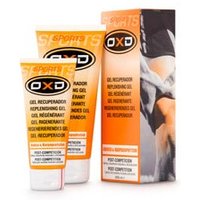
Oxd Sports Massage Gel de récupération de massage 200 ml
DocMorris FR (ex DoctiPharma FR)