Table of Contents (14 sections)
Table of Contents
Introduction
Caring for your surfboard is vital not just for longevity but also for optimal performance. Whether you're new to surfing or a seasoned enthusiast, understanding the intricacies of surfboard care can save you from costly repairs.
Why Surfboard Care Matters
Surfboards, like any equipment exposed to the elements, require regular maintenance. Without proper care, boards can degrade quickly due to exposure to saltwater, UV rays, and general wear and tear. Maintaining a surfboard ensures its peak performance and extends its useful life. According to UFC-Que Choisir, well-maintained boards can last up to 10 years longer than neglected ones.
Step 1: Rinsing After Every Use
After each surfing session, make it a habit to rinse your surfboard with fresh water. Saltwater is corrosive and can weaken the board's material over time. Rinsing helps remove salt deposits and any sand particles. A gentle spray with a garden hose works well. Avoid harsh water pressure which can force water into tiny cracks. Remember, the little effort of rinsing vs. significant repair costs later.
Step 2: Checking for Dings and Repairs
Inspect your board after rinsing. Look for dings and cracks, no matter how minor they seem. Address them promptly. Investing in a surfboard repair kit is wise. Repairs prevent water from seeping into the foam core, which can lead to delamination or mold growth. Seek professional repair for serious damages that are beyond at-home fixes.
Step 3: Proper Storage
Store your board in a cool, dry place away from direct sunlight. Temperature changes can create bubbles under the surface. Using a surfboard bag provides extra protection. For long-term storage, consider racks that prevent pressure dents. A damp, overheated garage or trunk is detrimental, often warping or weakening the board.
Step 4: Waxing Regularly
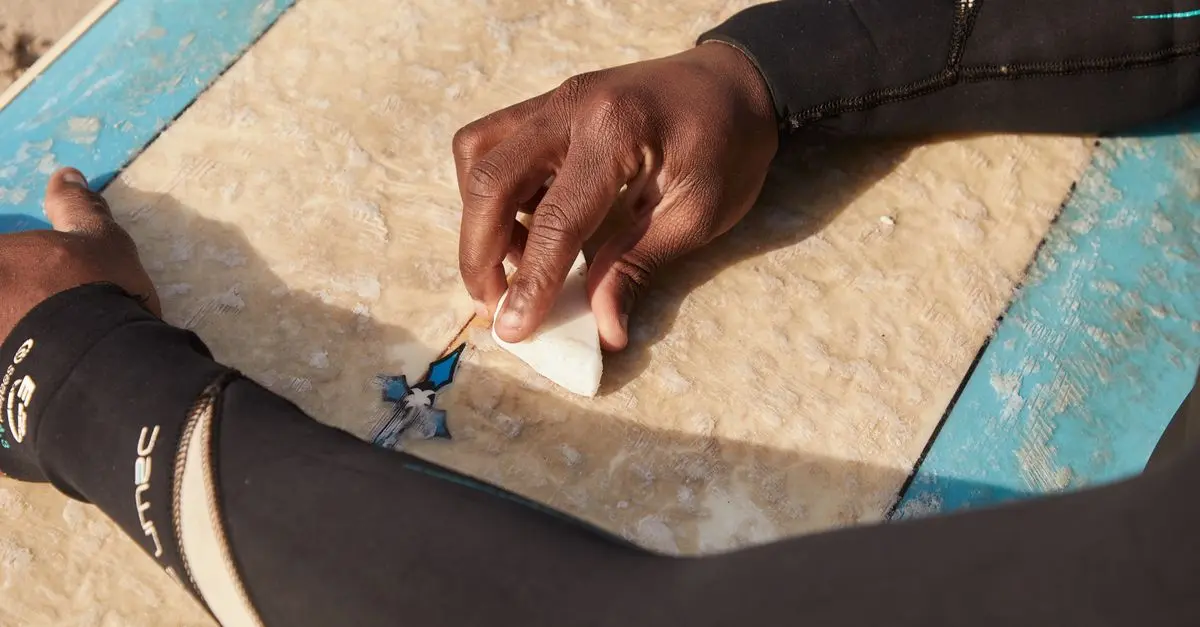
Apply wax regularly for grip. Depending on your surfing frequency, you may need to wax every session or monthly. Remove old wax with a comb for better application. Cold water vs. warm water waxes perform differently, so choose the right one based on local water conditions. Avoid over-waxing as it can create slippery patches.
Step 5: Transporting Safely
Transporting your board correctly minimizes damage risks. Use soft racks or tail pads and ropes specifically designed for surfboards. Secure them tightly to avoid movement during transit. If using a car, ensure the board is upside down with the nose pointing to the rear. Never secure it solely with bungees; they can snap under tension.
📺 Resource Video
> 📺 For further insight: How to Maintain Your Surfboard for Longevity, an in-depth visual guide. Search on YouTube: "surfboard maintenance tips 2026".
Comparisons in Surfboard Care
| Feature | Simple Rinse | Comprehensive Care | Neglect |
|---|---|---|---|
| Maintenance | Low | High | None |
| Longevity Increase | Minimal | Significant | Decrease |
| Cost Over Time | Low | Medium | High |
| Performance Impact | Moderate | High | Low |
- How often should I wax my surfboard?
Waxing frequency depends on your usage, but a general rule is every few sessions.
- Can I repair dings myself?
Yes, basic dings can usually be repaired with a kit, but deeper cracks should be handled by professionals.
- What temperatures affect surfboards in storage?
Extreme temperatures, particularly heat, can warp or damage the surfboard.
- Is saltwater harmful to surfboards?
Yes, prolonged exposure can cause severe damage over time. Always rinse with fresh water.
Checklist
- [ ] Rinse after every use
- [ ] Inspect for dings
- [ ] Store in a cool dry place
- [ ] Wax before hitting the waves
- [ ] Secure when transporting
Glossary
| Term | Definition |
|---|---|
| Ding | Minor damage or scratch |
| Delamination | Separation of layers in a composite material |
| Soft Racks | Temporary roof racks for transporting surfboards |
🧠 Quiz rapide: Why is it important to rinse your surfboard?
- A) It makes it shiny
- B) Removes salt deposits
- C) Repairs scratches
Réponse : B — Rinsing removes salt deposits, preventing long-term damage